
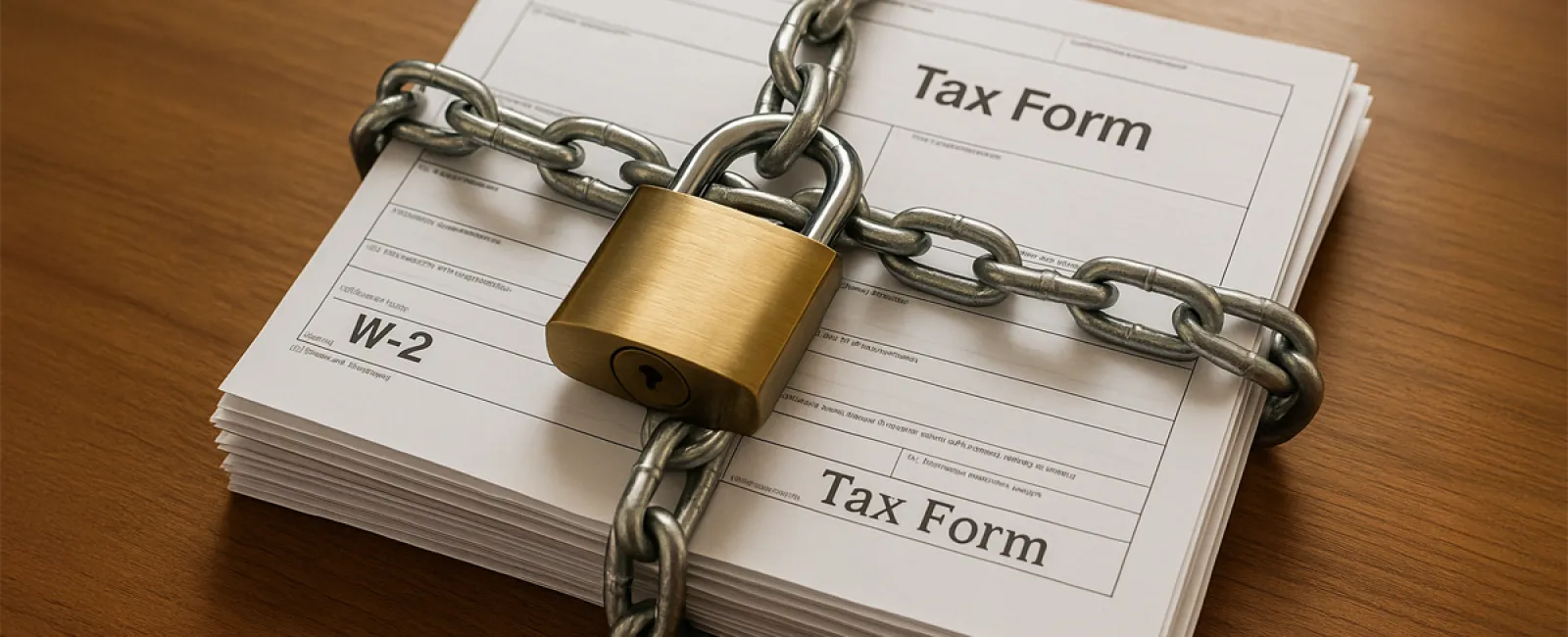
February marks the onset of tax season, bringing a surge of activity for your accountant and bookkeeper as they gather essential documents. The focus shifts to W-2s, 1099s, and looming deadlines.
Yet, the initial tax season challenge often isn't a tax form—it's a cunning scam targeting small businesses early on, and it might already be lurking in someone's inbox.
Understanding the W-2 Scam
Here's how it unfolds:
Typically, an employee responsible for payroll or HR receives an email that appears to come from the CEO, owner, or a top executive.
The message is brief and urgent:
"I urgently need copies of all employee W-2 forms for an accountant meeting. Please send them ASAP—I'm swamped today."
On the surface, it seems legitimate—the tone fits, urgency is expected during tax season, and the request seems routine.
Consequently, the employee complies and sends over the W-2 forms.
However, the email isn't from the executive but from a criminal who has spoofed the sender's address or used a deceptive look-alike domain.
With this, the scammer now has access to every employee's:
• Full legal name
• Social Security number
• Home address
• Salary details
These details enable identity theft and allow fraudulent tax returns to be filed before your employees can act.
Consequences of the Scam
Victims typically discover the fraud when their tax returns are rejected with messages like "Return already filed for this Social Security number."
The criminal has already filed returns and claimed refunds using your employees' identities.
Your employees then face dealing with the IRS, monitoring credit, securing identity theft protection, and managing extensive paperwork—all stemming from documents they unknowingly shared.
Imagine this problem magnified across your entire payroll and the challenge of restoring trust with your team after their personal information was compromised due to a fraudulent email.
This incident is more than a security breach—it erodes trust, causes HR crises, risks lawsuits, and damages your company's reputation.
Why This Scam Is So Effective
This isn't a poorly constructed scam—it's highly believable because:
The timing aligns perfectly with expected W-2 requests in February.
The request seems reasonable—it's a common and acceptable tax season practice, unlike suspicious demands for large sums or gift cards.
The urgency feels natural in a busy office environment.
The sender's identity appears authentic, often based on thorough research of company executives and accountants.
Employees naturally want to be helpful, especially when they believe the request is from their boss.
Steps to Safeguard Your Business Before an Attack Occurs
The encouraging news is this scam is entirely avoidable with a combination of clear policies and an alert company culture—technology alone isn't enough.
Implement a strict "no W-2s sent via email" policy—no exceptions. Sensitive payroll documents must never leave the office through email attachments. Any such requests must be denied outright, even if they appear to come from top executives.
Always verify sensitive requests through a secondary channel, such as a phone call, in-person confirmation, or trusted chat platform—never reply directly to the email and always use previously known contact details. This brief check can prevent costly breaches.
Conduct a short, focused tax-season security briefing immediately with your payroll and HR teams. Educate them about the rising threat and response procedures. Awareness is your best defense.
Secure all payroll and HR systems with multi-factor authentication (MFA). If credentials are compromised, MFA acts as a critical barrier against intrusions.
Foster a verification-focused culture where employees feel encouraged and supported to double-check unusual requests. Recognition for caution helps eliminate scam success.
These five essential rules are straightforward to implement immediately and powerful enough to block initial scam attempts.
Looking Beyond the W-2 Scam
The W-2 scam is just the beginning—expect a surge of tax season-related cyberattacks, including:
• Fraudulent IRS notices demanding immediate payments
• Phishing emails disguised as tax software updates
• Fake messages from "your accountant" containing harmful links
• Counterfeit invoices resembling tax expense documents
Scammers exploit tax season distractions and urgency, knowing financial requests often raise little suspicion.
Companies that emerge unscathed have established thorough policies, rigorous staff training, and systems that detect suspicious communications before damage occurs.
Is Your Business Prepared?
If your organization already enforces effective policies and employee vigilance, you're positioned well ahead of many small businesses.
If not, the time to act is now—don't wait for a costly scam to strike.
Schedule a 15-minute Tax Season Security Check to review:
• Payroll and HR access controls with MFA
• Your current W-2 verification protocols
• Email defenses that block spoofing attempts
• The crucial policy adjustment most businesses overlook
If your business is already prepared, fantastic. But if you know someone who isn't, share this article—it could save them from a devastating security breach.
Click here or give us a call at 1300 765 014 to schedule your free 15-Minute Discovery Call.
Tax season is already demanding; don't let identity theft make it any harder.


